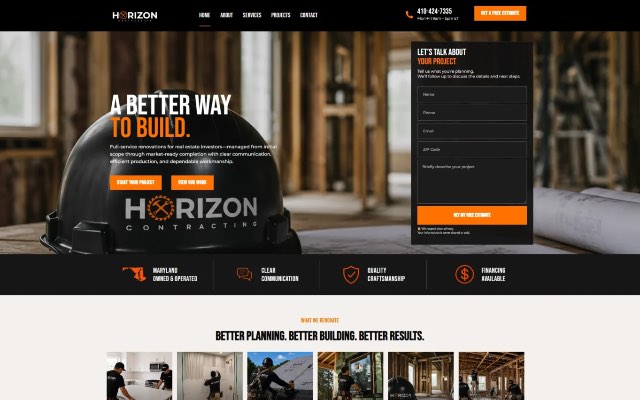
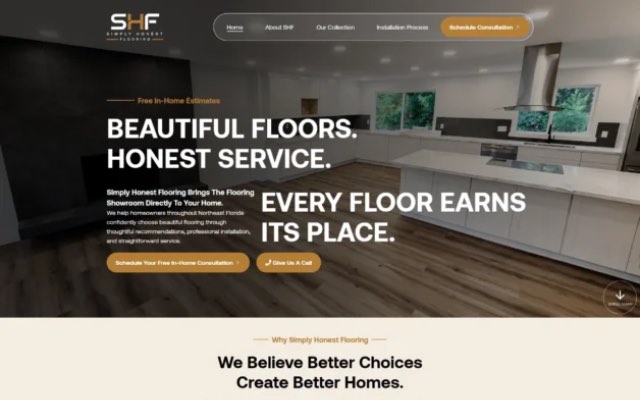
When a homeowner’s roof starts leaking or they finally decide to remodel the kitchen, they don’t scroll through ten pages of results. They search something like “roofer near me” or “kitchen remodeling Dallas”, look at the map results and the first few websites, and call two or three companies. Local SEO is how you make sure your business is one of those calls.
This checklist walks through the local SEO steps that matter most for contractors and home-service businesses in the US, in the order we recommend tackling them.
Key Takeaways
- Your Google Business Profile is the foundation of local visibility. Complete every section and keep it active.
- Use your real business name, consistent contact details everywhere, and accurate service areas.
- Build one strong page per service and per important service area on your website.
- Reviews matter for both rankings and conversions. Ask every satisfied customer, and never buy or incentivize reviews.
- Track calls and form submissions so you know which efforts actually bring in jobs.
Step 1: Set Up and Complete Your Google Business Profile
Your Google Business Profile (GBP) controls how you appear in Google Maps and the local “map pack”. Make it as complete and accurate as possible:
- Business name: use your real-world business name only. Adding keywords or city names to the name breaks Google’s guidelines and can get your profile suspended.
- Categories: choose the most specific primary category (for example “Roofing contractor” rather than “Contractor”) and add relevant secondary categories.
- Address and service area: if you serve customers at their locations and don’t receive them at your office, Google’s guidelines say you should hide your address and list your service areas instead. Never use a PO box or virtual office as your address.
- Hours, phone and website: keep them accurate, including holiday hours.
- Services: list each service you offer with a short description.
- Photos: upload real photos of your team, vehicles and completed jobs, and keep adding new ones.
- Posts and updates: share recent projects, seasonal offers and news to keep the profile active.
Step 2: Make Your Business Details Consistent Everywhere
Search engines compare your business name, address and phone number (often called NAP) across the web. Inconsistent details, such as an old phone number on one directory or a different suite number on another, create confusion and weaken trust.
- Decide on the exact format of your business name, address and phone number.
- Update your website, Google Business Profile, Bing Places and Apple Business Connect.
- Claim and correct your listings on major directories and industry sites such as Yelp, Angi, Houzz, BBB, Nextdoor and your local chamber of commerce.
- Remove or merge duplicate listings.
Step 3: Build Service Pages That Deserve to Rank
A single “Services” page can’t rank for every job you do. Create a dedicated page for each core service, for example “Roof Replacement”, “Roof Repair” and “Gutter Installation”. Each page should include:
- A clear description of the service and who it’s for.
- Your process, typical timelines and what affects the price.
- Photos of real jobs of that type.
- Relevant reviews, warranties and certifications.
- A visible call button and a short quote form.
- Answers to the questions customers ask you on the phone.
Step 4: Create Useful Service-Area Pages
If you work across several cities or counties, a page for each important area helps you appear in searches like “deck builder in Plano”. The key word is useful: each page should include genuinely local content such as projects completed in that area, local permit or HOA considerations, neighborhoods you serve and reviews from local customers.
Pages that copy the same text and swap the city name provide no value to visitors and can be treated as low-quality or doorway pages. Start with the areas where you most want work and build them well.
Step 5: Get More (Real) Reviews
Reviews influence where you rank in the map results and whether people choose to call you. Make reviewing easy:
- Ask in person at the end of a successful job, then send a direct review link by text or email.
- Respond to every review politely, including negative ones. A calm, helpful reply reassures future customers.
- Show reviews on your website near your quote forms.
- Don’t buy reviews, post fake ones, or offer rewards in exchange for positive reviews. It violates Google’s policies and US Federal Trade Commission rules on fake and incentivized reviews.
Step 6: Fix the Technical Basics on Your Website
- Mobile first: most local searches happen on phones. Buttons must be easy to tap and the phone number clickable.
- Speed: compress large project photos and avoid heavy sliders and pop-ups.
- Clear titles and headings: include the service and the area naturally, for example “Roof Replacement in Fort Worth, TX”.
- Structured data: LocalBusiness schema, or a more specific type such as RoofingContractor or GeneralContractor, helps search engines understand your business.
- Internal links: link services to related service-area pages and back to your quote page.
- Google Search Console: verify your site and submit your sitemap so Google can find new pages quickly.
Step 7: Earn Local Links and Mentions
Links from relevant local websites are a strong signal. Good sources for contractors include suppliers and manufacturers you’re certified with, local business associations, sponsorships of community events or teams, partner trades you work with, and local news coverage of notable projects. Focus on genuine relationships; buying links violates Google’s spam policies.
Step 8: Track What Brings In Jobs
Rankings are only useful if they produce calls and quote requests. Set up:
- Google Analytics with form submissions and phone clicks tracked as key events.
- Google Business Profile insights to see calls, direction requests and website clicks from your profile.
- Search Console to see which searches bring visitors to each page.
- A simple lead log where your team notes how each customer found you.
Common Local SEO Mistakes Contractors Make
- Keyword-stuffing the business name on Google Business Profile.
- Listing a service area far bigger than you actually serve.
- Copy-and-paste city pages with no local information.
- Using stock photos instead of real project photos.
- Ignoring reviews, or only replying to the positive ones.
- Changing phone numbers without updating directory listings.
How Long Does Local SEO Take?
It depends on your competition, your starting point and how consistently the work is done. Fixing your Google Business Profile and listings can show results within weeks, while ranking new service and area pages in competitive markets usually takes several months of steady work.
Frequently Asked Questions
Do I need a physical office to rank in Google Maps?
You need a real address to verify a Google Business Profile, but service-area businesses can hide that address and show their service areas instead. PO boxes and virtual offices aren’t allowed.
How many service areas should I list?
List the areas you genuinely serve. Google allows up to 20 service areas on a profile, but a realistic area that matches where you work is better than an inflated one.
Are Google Local Services Ads worth it?
For many home-service trades they can produce leads quickly, and they work alongside organic local SEO. Results vary by trade and market, so track cost per job carefully.
Should I write blog posts for local SEO?
Helpful articles that answer real customer questions can bring in additional traffic and support your service pages, but strong service and area pages come first.
Want Help Ranking in Your Service Area?
Our
local SEO services cover service-area strategy, location pages, citation cleanup and NAP consistency, local technical SEO and monthly reporting. If your website itself needs work first, read our guide to
construction company website design, then
book a free consultation.